FA Alpha Daily:
Return Driven Strategy
Powered by Valens Research
What do you think makes up a successful business?
Loyal customers?
High-quality products and services?
Effective and efficient processes and marketing strategies?
Oftentimes, these are some of the things that come to mind when thinking about high-performing firms. However, one ought to remember that employees are at the core of businesses.
Without them, organizations will lack the important assets and resources they need to fulfill customers’ otherwise unmet needs.
That’s why, as a financial advisor, your due diligence can’t stop at what a company does or how it generates revenue. Your analysis has to extend to how that company attracts and retains the people who make it run.

Photo from Unsplash
Keeping Employees Highly Engaged
Companies succeed when employees and other individuals are aligned with the organization’s goals in creating and delivering offerings that fulfill customers’ unmet needs.
To accomplish this, these individuals within the company need to be engaged.
Just as each business has its own framework of how to generate revenue, each individual also has their own definitions of wealth and their own priorities.
Abraham Maslow’s Hierarchy of Needs—which states individuals’ actions are motivated by certain physiological and psychological needs that progress from basic to complex—provides a good way of identifying employee needs.
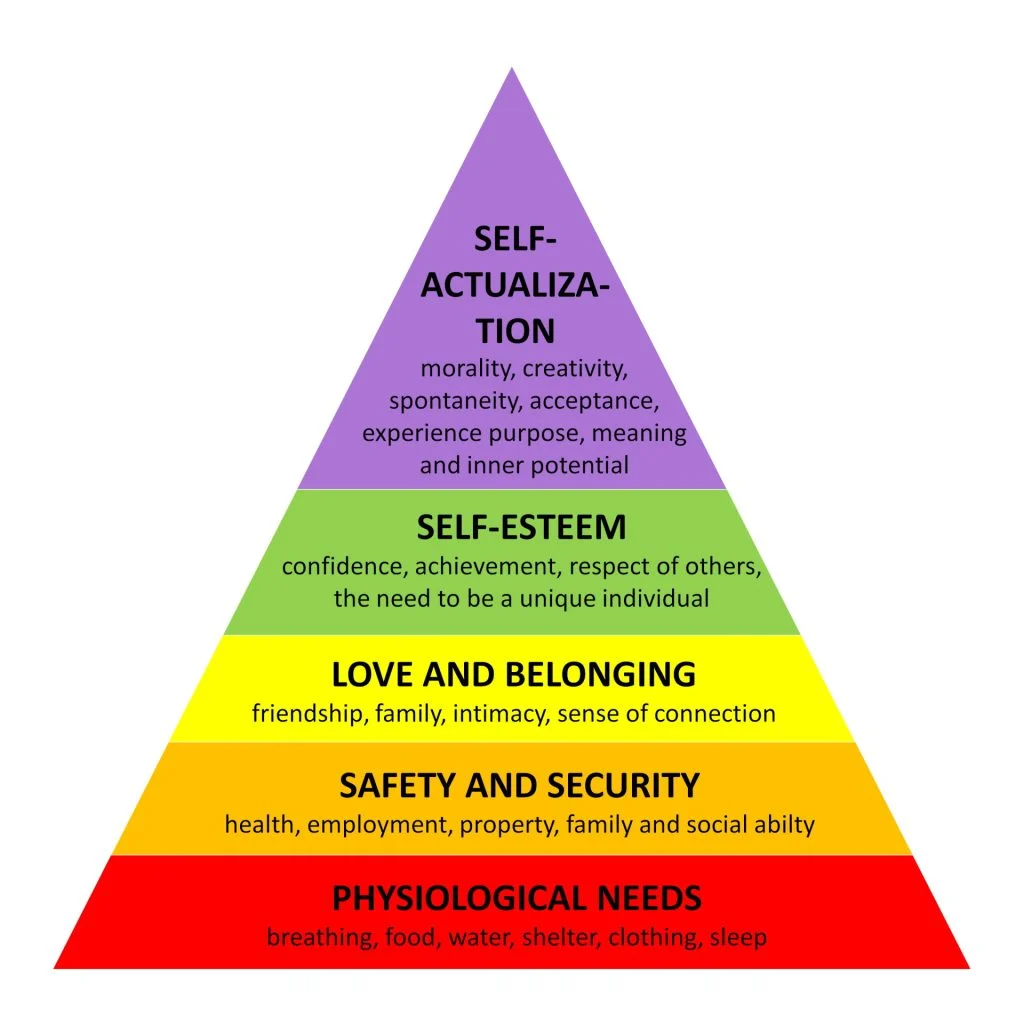
Photo from Simply Psychology
These come in the form of needs for safety, love, belonging, self-esteem, self-actualization, etc.
Firms with the highest levels of returns build offerings that help employees fulfill these needs. After all, employees provide their time and effort in exchange for what the firm offers them. This includes compensation, but requires more than that.
So, what are the things you should look for when evaluating a company’s talent acquisition and retention strategy?
- Clear Communication: It’s important that management fosters open and transparent communication channels with the workforce.
By keeping employees informed about company goals, strategies, and any changes, managers let employees know they are trusted and encourage feedback for future improvements.
- Opportunities for Growth: Offering training programs and professional development opportunities creates a clear career path and provides support for skills enhancement.
Recognizing and rewarding employees for their achievements and progress is included here.
- Empowerment through Autonomy: Managers should demonstrate that they trust their subordinates to make wise decisions within their areas of expertise. Doing this encourages creativity and innovation by allowing some flexibility in how tasks are approached.
- A Positive Work Culture: Fostering a supportive and inclusive work environment encourages collaboration and teamwork. It’s also important that companies celebrate diversity as this promotes a sense of belonging within the workforce.
- The Right Tools and Resources: Businesses must ensure that employees have the necessary tools to perform their jobs effectively, and invest in technology and infrastructure that supports workforce productivity.
- Leadership Development: Businesses must scout for, train, and develop strong leaders within their organization, and encourage leadership at all levels, not just within managerial roles.
- Regular Feedback: Encouraging two-way feedback makes employees feel heard and provide inputs about their experiences and suggest improvements to foster a more positive workplace.
These characteristics typically indicate whether a company is able to create a workplace where employees feel valued, motivated, and empowered to contribute their best efforts.
At present, global engagement rates for employees continue to slump years after seeing record highs.
While macroeconomic pressures have made job hopping and resignation less likely, actively disengaged employees won’t hesitate to leave their companies, especially as quit rates have remained steady.
The bottom line?
Employees are a company’s “genuine asset.” How well a firm attracts and retains clients will indicate how sustainable its business model and revenue-generating capacity is.
If a business does poorly in retaining talent, then that’s a sign that it may be running into deeper issues such as a weak culture, poor leadership, or an unsustainable way of operating.
… and if you end up seeing those issues, then that’s a signal that a company may not be worth investing your client’s money into.
Best regards,
Joel Litman & Rob Spivey
Chief Investment Officer &
Director of Research
at Valens Research
Today’s article only scratches the surface of what we share with our FA Alpha Members. If you want to get an in-depth analysis of market trends, uncover undervalued stocks, and more, become an FA Alpha Member today.